
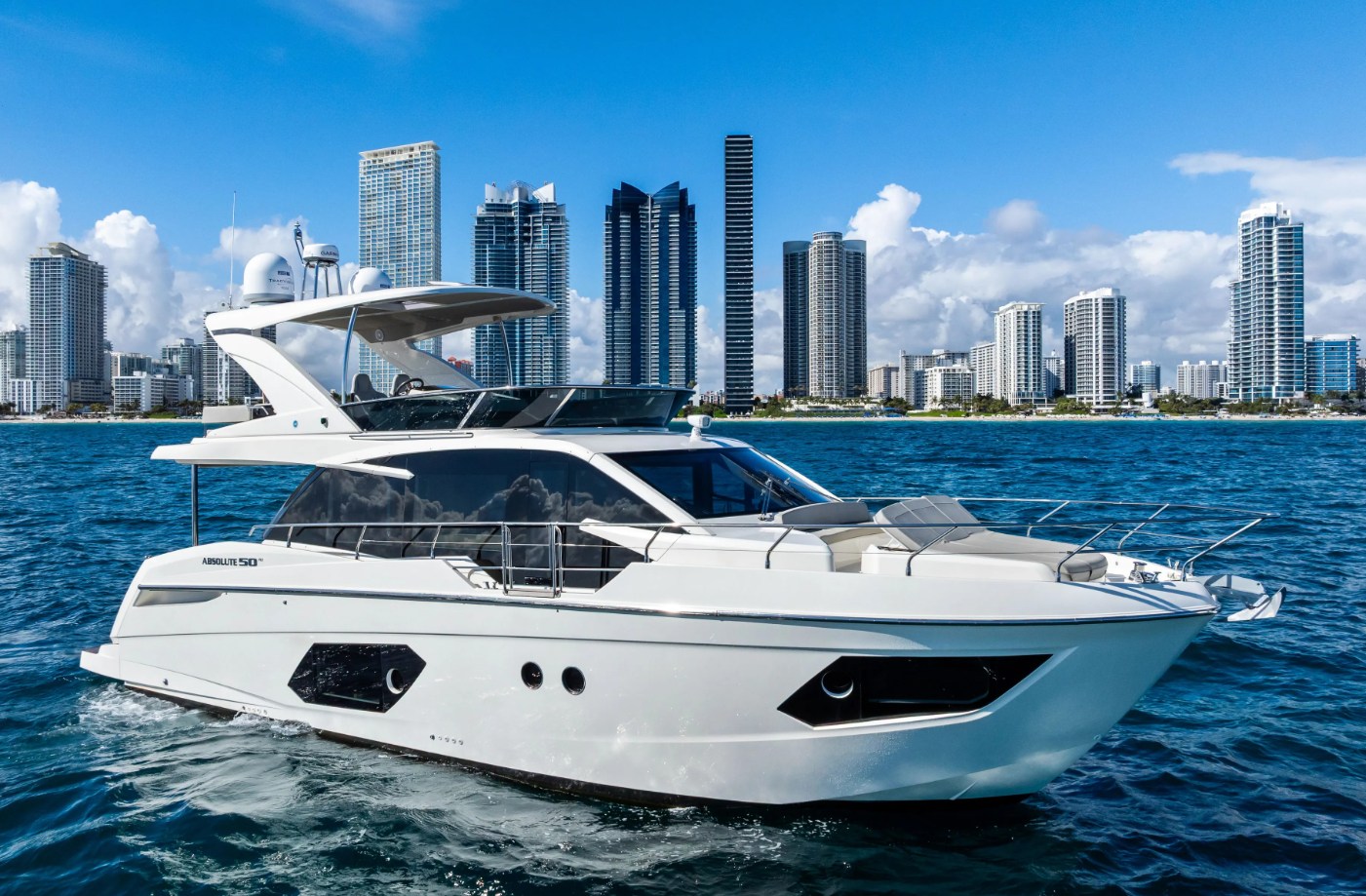
The interior of a boat can influence an entire day on the water. Comfortable seating encourages passengers to relax, while thoughtful colors and textures can create a distinctive atmosphere from the moment they step aboard. Yet marine interiors also face sunlight, moisture, saltwater, and constant use. That combination makes material selection especially important. The right boat upholstery material can help owners create seating that looks refined while remaining practical for everyday boating. Boat Upholstery Broward provides professional upholstery for boats and yachts, helping owners refresh seating and develop custom marine interiors.
The Interior Has Become Part of the Experience
Boats were once designed primarily around performance and functionality.
Today, interior design plays a much larger role. Owners often want their vessels to feel comfortable enough for long afternoons, entertaining, and extended coastal trips.
Upholstery contributes to that experience in several ways:
- It affects seating comfort
- It influences visual style
- It protects internal cushioning
- It determines maintenance requirements
- It can change the character of an older boat
This makes upholstery an important design decision rather than a simple finishing touch.
Material Selection Starts With Real Conditions
Marine seating has to work in the environment where the boat operates.
Open cockpit cushions may face direct sunlight and water throughout the day. Helm seats can experience frequent use and UV exposure. Cabin seating has greater protection but may still encounter humidity.
A practical boat upholstery material should reflect these conditions.
Instead of selecting a surface based only on color, owners should consider how it will perform after months of regular use.
Texture Can Make a Simple Interior Feel Sophisticated
Texture is becoming increasingly important in marine design.
A subtle grain can add depth to a neutral seating area. Contrasting textures can separate panels and create visual interest without requiring bright colors.
This approach works especially well in minimalist interiors.
A carefully chosen boat upholstery material can become part of the design language while remaining understated.
Neutral Colors Offer Long Term Flexibility
Marine interiors often benefit from a calm color palette.
White, cream, beige, sand, and light gray can create a bright and spacious feeling. These shades also work well with darker accents.
Navy, charcoal, and deep blue can define borders or selected panels.
Owners can then update the appearance later through cushions, accessories, or other smaller details without replacing the entire interior.
Comfort Begins Beneath the Surface
A beautiful seat still needs to feel good.
Foam can gradually lose its resilience as passengers use the seating repeatedly. When cushions become flattened, even premium upholstery cannot fully restore comfort.
For this reason, restoration projects should include an assessment of the foam.
Replacing worn cushioning alongside a new boat upholstery material can create a more noticeable improvement than changing the covering alone.
Durability Should Support the Design
Marine seating faces several forms of stress at the same time.
UV exposure can cause fading. Water can introduce moisture. Salt can leave residue. Frequent passenger movement can create abrasion.
Owners should therefore evaluate materials according to characteristics such as:
- UV resistance
- Moisture resistance
- Abrasion resistance
- Color retention
- Ease of cleaning
- Resistance to everyday wear
The goal is to find a balance between attractive design and dependable performance.
Two Tone Interiors Create Visual Balance
Two tone seating can make a marine interior feel more custom.
Designers can use a neutral primary color with a darker border or a contrasting insert. This technique can emphasize cushion shapes while creating visual separation.
It also allows owners to introduce personality without covering every surface in a strong color.
The right boat upholstery material can provide the durability needed for these creative combinations.
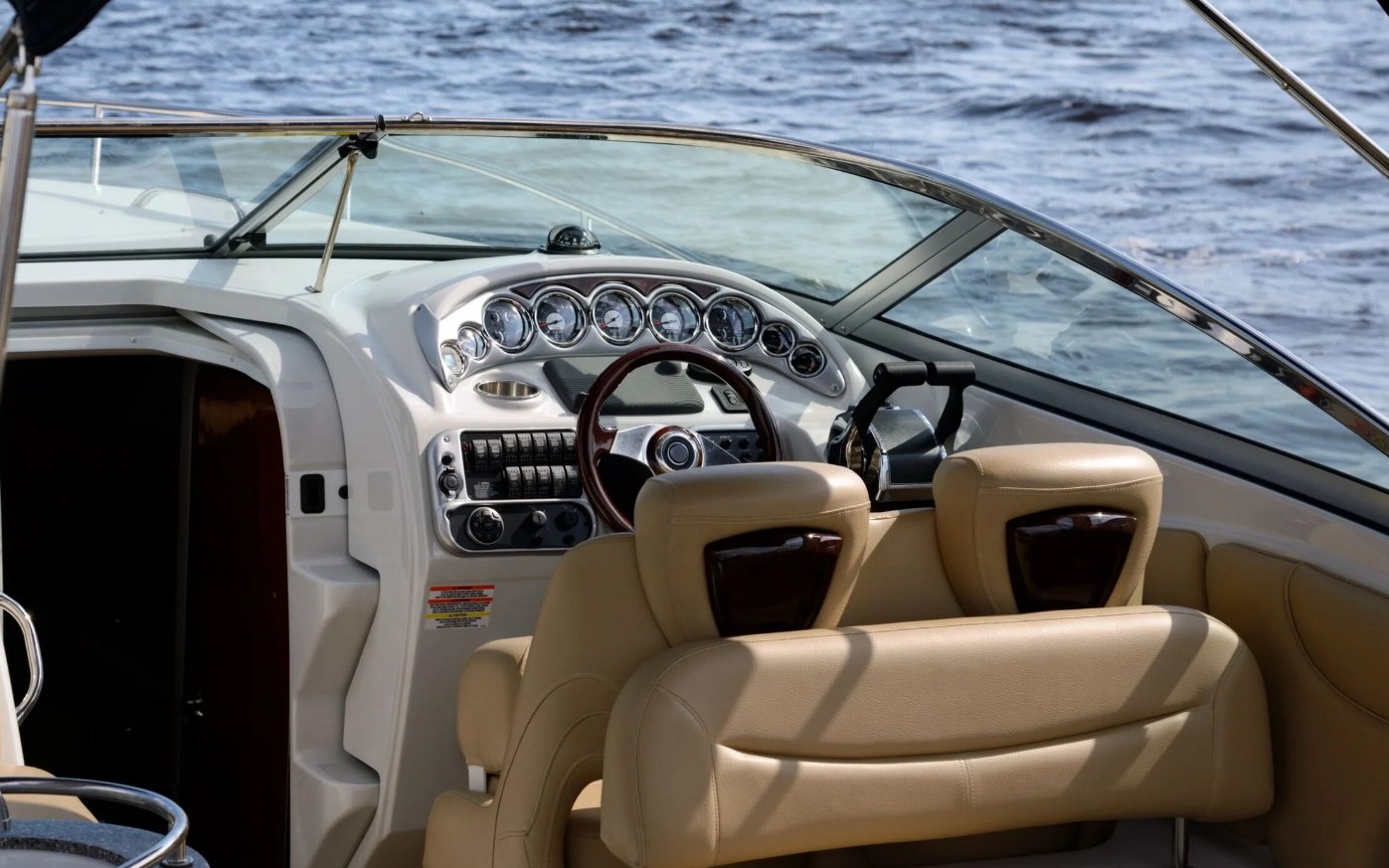
Decorative Stitching Adds Character
Stitching can serve both practical and decorative purposes.
Contrast thread can emphasize individual panels, while geometric patterns can create a more premium appearance.
Diamond patterns and other decorative techniques can work particularly well on larger cushions.
However, successful marine design usually depends on balance. A few carefully selected details can create more impact than an interior filled with competing patterns.
Outdoor Seating Needs Additional Protection
Exterior seating faces the toughest conditions.
Cockpit cushions, bow seating, and helm chairs may receive direct sunlight, rain, spray, and constant passenger traffic.
A suitable boat upholstery material can help these areas handle regular exposure, but owners should still use protective covers when possible.
Covers reduce exposure while the boat remains at the dock and can help preserve the appearance of the seating.
Maintenance Keeps New Upholstery Looking Better
Good design requires ongoing care.
Salt, sunscreen, food, drinks, and dirt can quickly accumulate during boating trips. Regular cleaning can prevent these contaminants from remaining on the surface.
A simple maintenance routine includes:
- Wiping seats after trips
- Removing salt residue
- Cleaning spills quickly
- Drying wet cushions
- Checking seams and piping
- Following manufacturer care recommendations
These habits can help a boat upholstery material maintain its appearance for longer.
Reupholstery Can Give an Older Boat New Character
An aging interior does not always require a complete renovation.
Reupholstery can preserve the existing seating layout while introducing new colors, textures, foam, and finishing details.
This approach can be particularly useful when the vessel remains mechanically sound but the interior no longer reflects the owner’s preferences.
A carefully planned upholstery project can make the boat feel considerably newer without changing its fundamental design.
Timeless Choices Usually Deliver Better Results
Marine interiors need to remain appealing over time.
Short lived trends can provide inspiration, but durable materials and timeless colors often offer greater flexibility.
Owners can create a contemporary appearance through subtle textures, contrast stitching, and carefully selected accents while maintaining a foundation that will remain attractive for years.
Final Thoughts
Modern marine interiors increasingly combine design with practical performance. Owners want comfortable seating that can withstand the realities of life on the water without sacrificing visual appeal.
The right boat upholstery material can help achieve that balance. When owners consider UV exposure, moisture, comfort, maintenance, texture, color, and installation together, they can create an interior that feels both sophisticated and genuinely usable.
A well-designed marine interior does more than improve the appearance of a vessel. It can make every trip more comfortable and turn time on the water into a more enjoyable experience.